
An Insight into the Beauty of Bridal Traditions

Bridal traditions are an integral part of weddings around the globe. Each culture has its unique customs, rituals, and stories that transform a wedding into an unforgettable event. These traditions not only enrich the ceremony but also reflect the values and beliefs of a community. In this blog post, we will delve into the fascinating world of bridal traditions, exploring practices from various cultures and discussing their significance.
Bridal Traditions
Bridal traditions vary significantly across different cultures. They embody the values, customs, and practices that have been passed down through generations. In many cases, these rituals signify the joining of families, and they often carry deep meanings about love, commitment, and community.
For instance, in Indian weddings, the "Saat Phere" or seven rounds taken by the couple around a sacred fire symbolizes their vows to one another. Each round represents a promise, starting from nourishing each other to standing together through joys and sorrows. Such traditions are not only essential for the ceremony but also underscore the significance of partnership and unity.

Similarly, in Greek culture, the bride often wears a "Stefana," a crown made of intertwined ribbons and flowers that symbolize the couple's connection. The crowns are blessed by the priest and are worn during the ceremony, emphasizing the couple's new life together.
These rituals are a vivid reminder that a wedding is not just an event but a tapestry of customs that highlight the uniqueness of each culture.
The Importance of Bridal Customs
Bridal customs serve multiple purposes. They not only celebrate the couple’s love but also create a sense of belonging within the community. For many, these traditions foster familial bonds, creating a bridge between the past and present.
One fascinating statistic is that nearly 70 percent of couples worldwide incorporate cultural customs into their ceremonies, highlighting the desire to honor their heritage. These customs often include blessings from parents, community leaders, or spiritual guides, emphasizing the support system surrounding the couple.
For example, in Jewish weddings, the "Chuppah," or wedding canopy, signifies the home the couple will build together. The canopy serves as a protective space and includes blessings from family members, making it a profound moment during the ceremony.

Understanding the importance of these customs can deepen our appreciation for the diversity of love. Each tradition is a reflection of hopes, dreams, and the values cherished by a community, making each wedding a rich story of its own.
What does the bride usually wear?
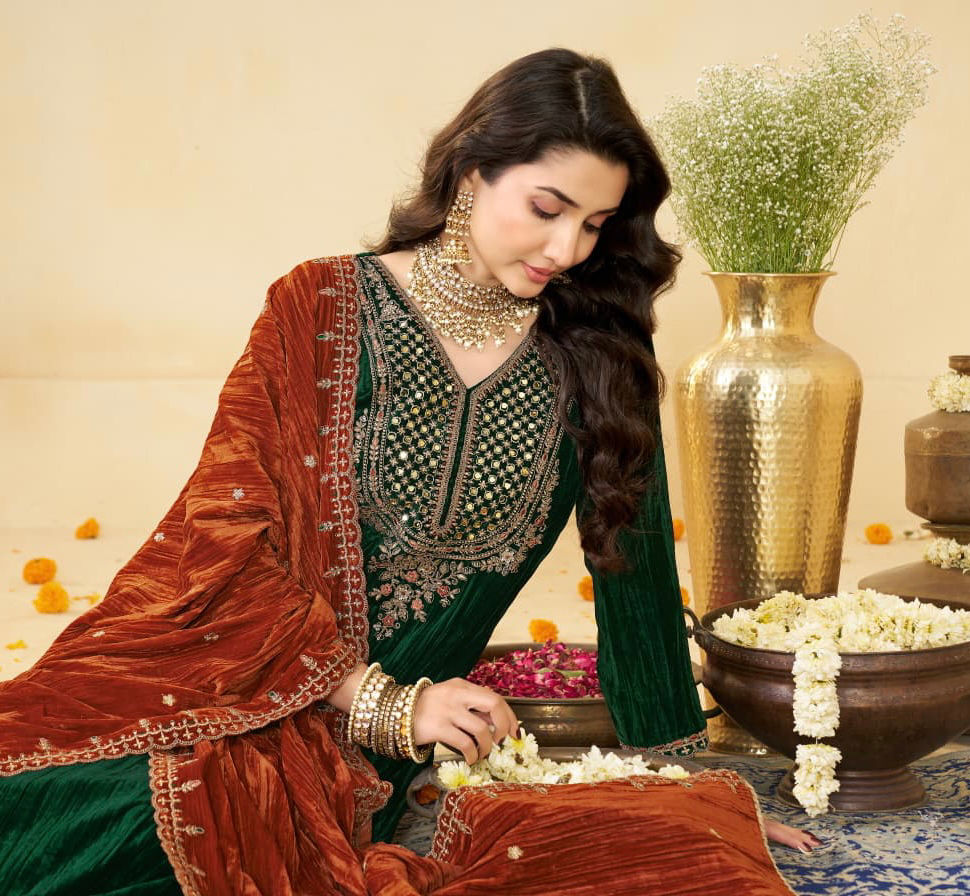
Bridal attire is often a focal point of wedding traditions, varied across different cultures. This can include elaborate gowns, intricate lehengas, and culturally inspired garments that reflect each culture's artistry and heritage.
In Western cultures, brides typically wear a white wedding dress, symbolizing purity and innocence. However, many contemporary brides are opting for colored gowns or personalized outfits that showcase their unique styles. On the other hand, in South Asian cultures, traditional bridal wear often consists of vibrantly colored lehengas adorned with sequins, embroidery, and intricate designs. The choice of colors, patterns, and even the type of jewelry worn holds significant meaning, often determined by cultural customs.
You can explore an exquisite selection of traditional bridal wear that captures the essence of different cultural styles. From striking reds and golds to soft pastels, bridal attire serves as a canvas reflecting individual personalities as well as cultural stories.
Brides in many cultures also incorporate meaningful accessories, such as headpieces, veils, or necklaces, which are often passed down as family heirlooms. These elements not only enhance their beauty but also connect them to their ancestry.

Diverse Rituals Across Cultures
Each culture has unique rituals that elevate the engagement and wedding experiences. From the symbolic to the celebratory, these rituals form a crucial part of the ceremony.
For instance, in Nigerian weddings, the "Traditional Engagement" ceremony takes place before the main wedding. The groom's family presents gifts to the bride’s family, signifying respect and commitment. This custom emphasizes the importance of family in marriage, acting as a bridge between the couple's families.
Similarly, in Mexican weddings, the "Lazo" ceremony involves placing a figure-eight-shaped lasso around the couple to symbolize their unity and bond. This custom is rich in meaning and serves as a visual representation of their commitment to one another.
Rituals like these highlight the communal aspect of marriage, where families come together to celebrate love and partnership. They often include vibrant festivities with music, dancing, and shared meals, creating cherished memories.

Celebrations Beyond the Ceremony
Bridal traditions don't end with the exchange of vows; they often extend into post-wedding celebrations. In various cultures, these celebrations are just as important and can last several days or even weeks.
For example, in the Indian culture, the "Reception" is a grand celebration with feasting, dancing, and socializing. It is a time for both families to come together and unite their loved ones. Similarly, in some African cultures, there is a "Bridal Shower" or "Kitchen Party," where friends and family gather to offer gifts and well wishes to the bride as she embarks on her married life.
The act of celebrating love through these traditions reinforces community bonds. It allows families and friends to share in the joy, laughter, and sometimes heartwarming stories of the couple, ensuring that everyone's unique connections are honored.
The Beauty of Bridal Traditions
The beauty of bridal traditions lies in their diversity and profound meanings. They encapsulate the essence of love, connection, and culture. Each tradition serves a purpose, whether it be celebrating the union, honoring family ties, or expressing the couple's identity.
As global influences blend, couples often choose to weave elements from different cultures into their weddings, creating a rich tapestry that resonates personally with them. This fusion not only celebrates individuality but also pays homage to traditions that have stood the test of time.
In today's ever-evolving world, it is essential to embrace and celebrate these customs. They are not only a reflection of our past but also an opportunity to create new memories that honor our journey into the future together.
Bridal traditions are beautiful markers of love and life, each distinct yet connected by the universal language of commitment. As we explore these traditions, we discover a deeper understanding of ourselves, our partners, and the communities that shape us.


Comments